Top Coffee Certifications Explained: Organic, Carbon Neutral, Direct Trade & Beyond
For specialty coffee enthusiasts, quality goes far beyond flavour notes and origin. Today, more than ever, coffee drinkers want to understand how their coffee is grown, sourced, and traded. That’s where coffee certifications come in.
From Organic and Fair Trade to Carbon Neutral and Direct Trade, these labels help signal ethical practices, sustainability efforts, and quality standards. But what do they actually mean and which ones matter most?
In this guide, we’ll break down the most important coffee certifications, explain how they impact your cup, and help you make more informed choices when buying specialty coffee.
What Are Coffee Certifications?
Coffee certifications are third-party or brand-led standards that verify how coffee is produced, processed, and traded.
They typically focus on areas like:
- Environmental sustainability
- Ethical labour practices
- Economic fairness for farmers
- Transparency in sourcing
For consumers, certifications offer reassurance. For producers, they can open access to better pricing and global markets. However, not all certifications are created equal, and some go beyond official labels.
Organic Coffee: Clean and Chemical-Free
One of the most widely recognized labels is organic coffee. Certified organic coffee is grown without synthetic pesticides, herbicides, or fertilizers.
What it means in practice:
Organic farms rely on natural composting, biodiversity, and ecological balance to grow coffee. This often results in healthier soil and reduced environmental impact.
Why it matters:
- Lower chemical exposure for farmers and ecosystems
- More sustainable farming practices
- Often perceived as “cleaner” in flavour (though not always directly linked)
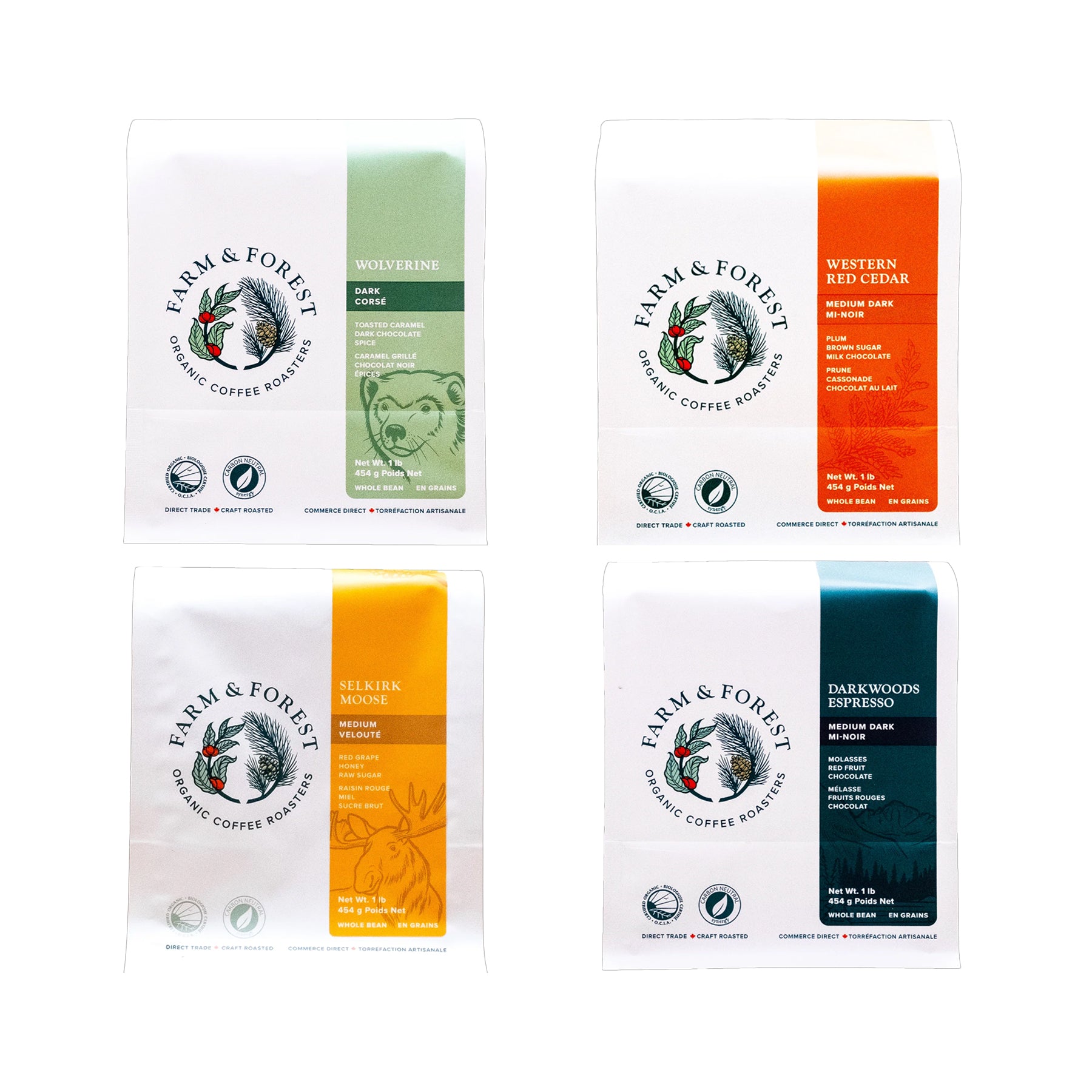
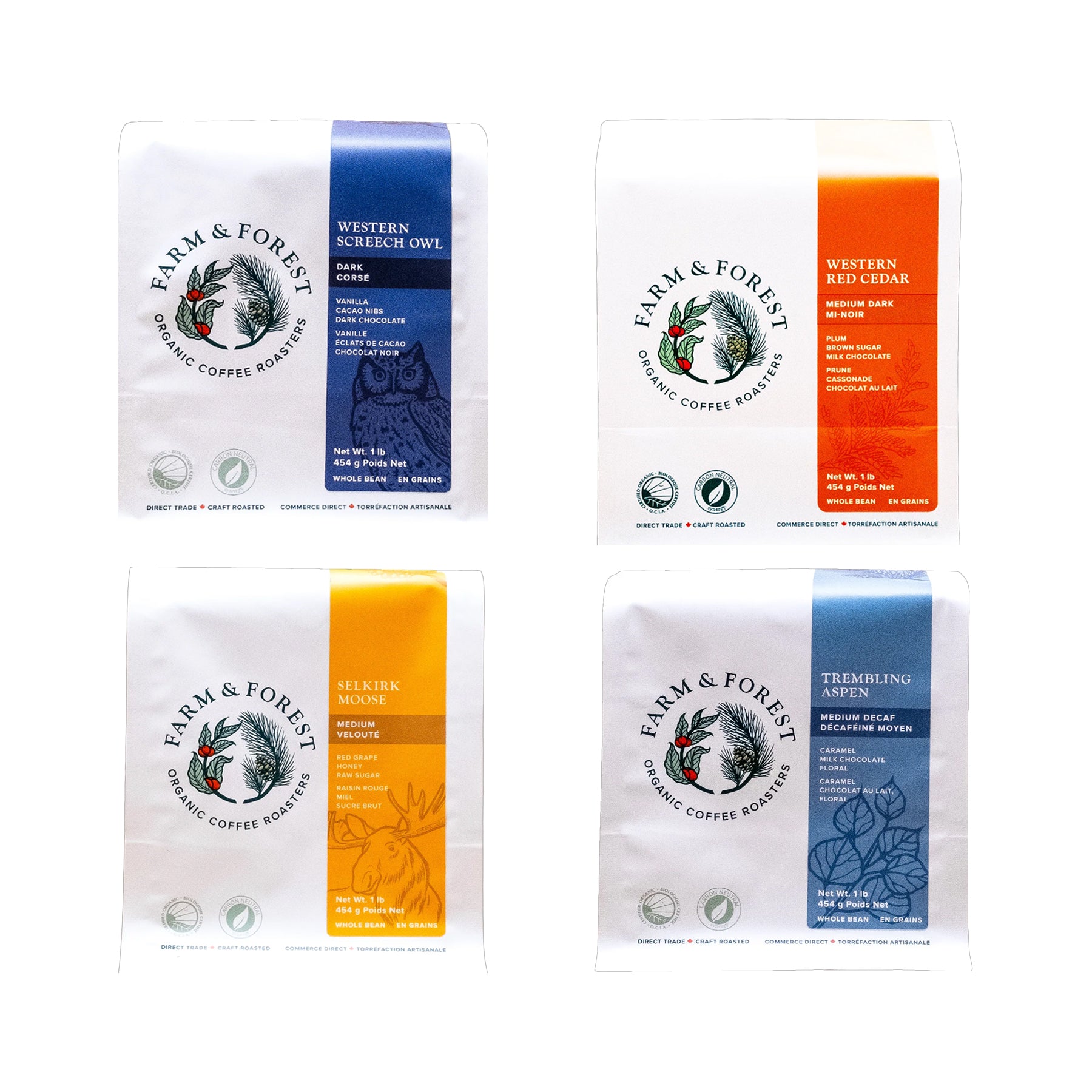
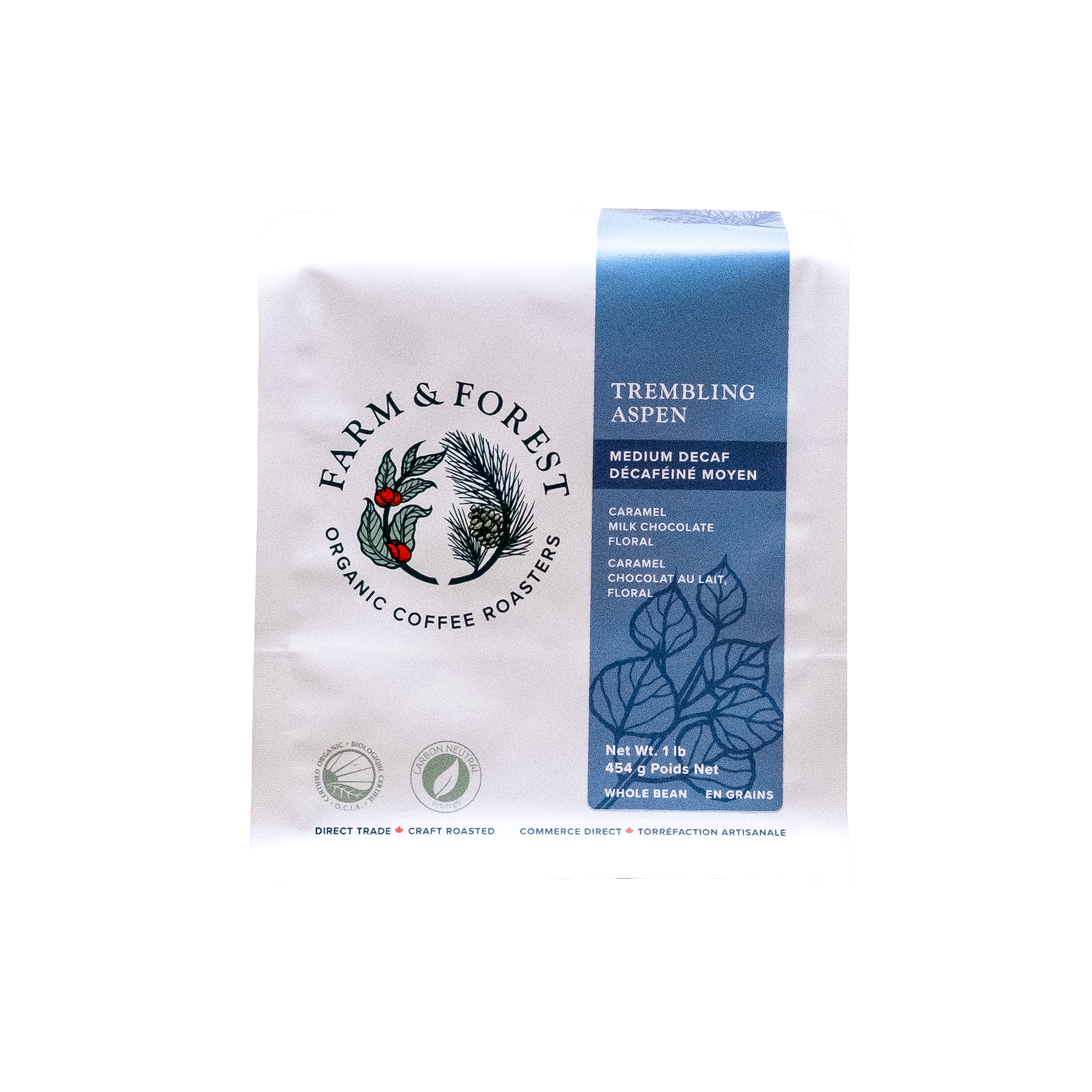
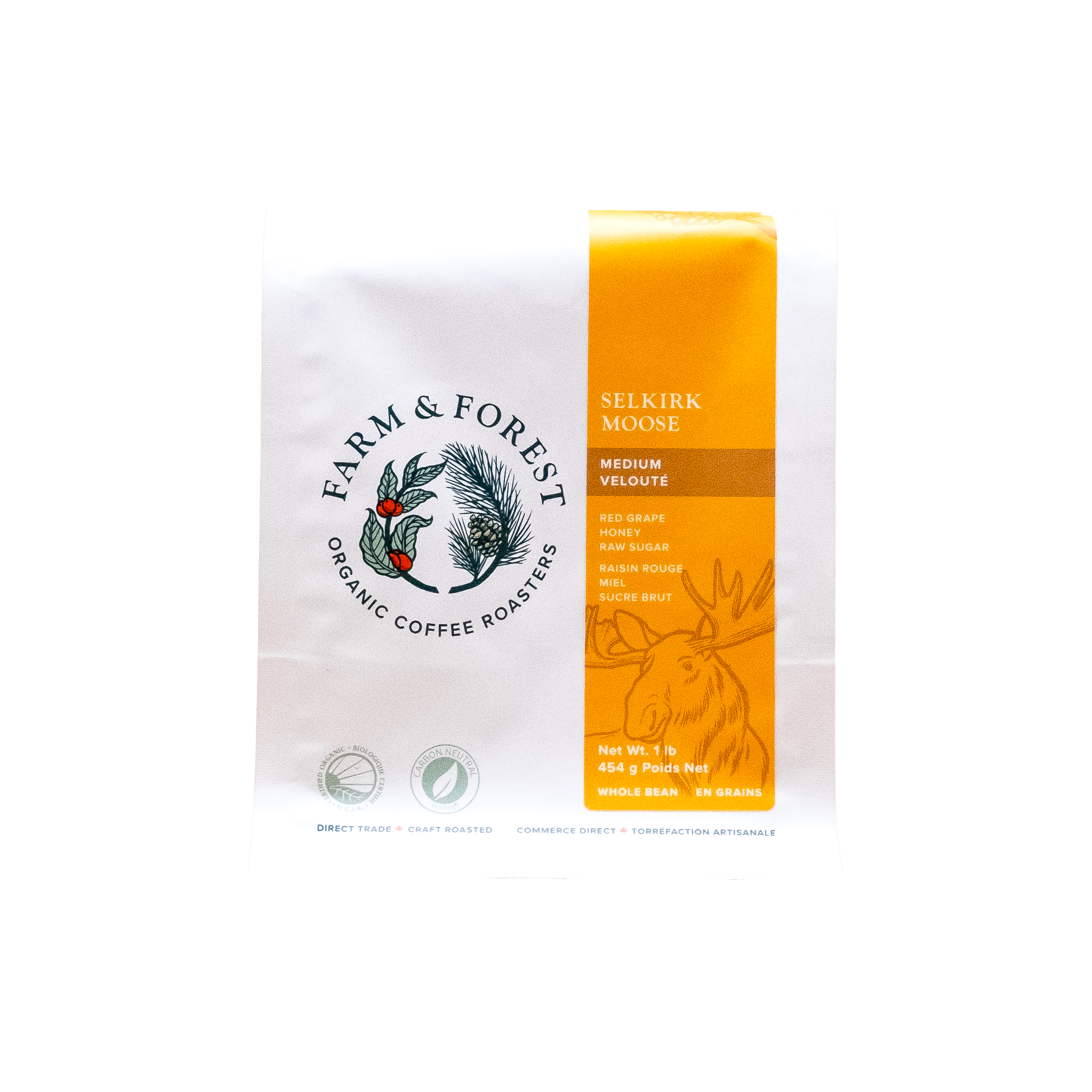
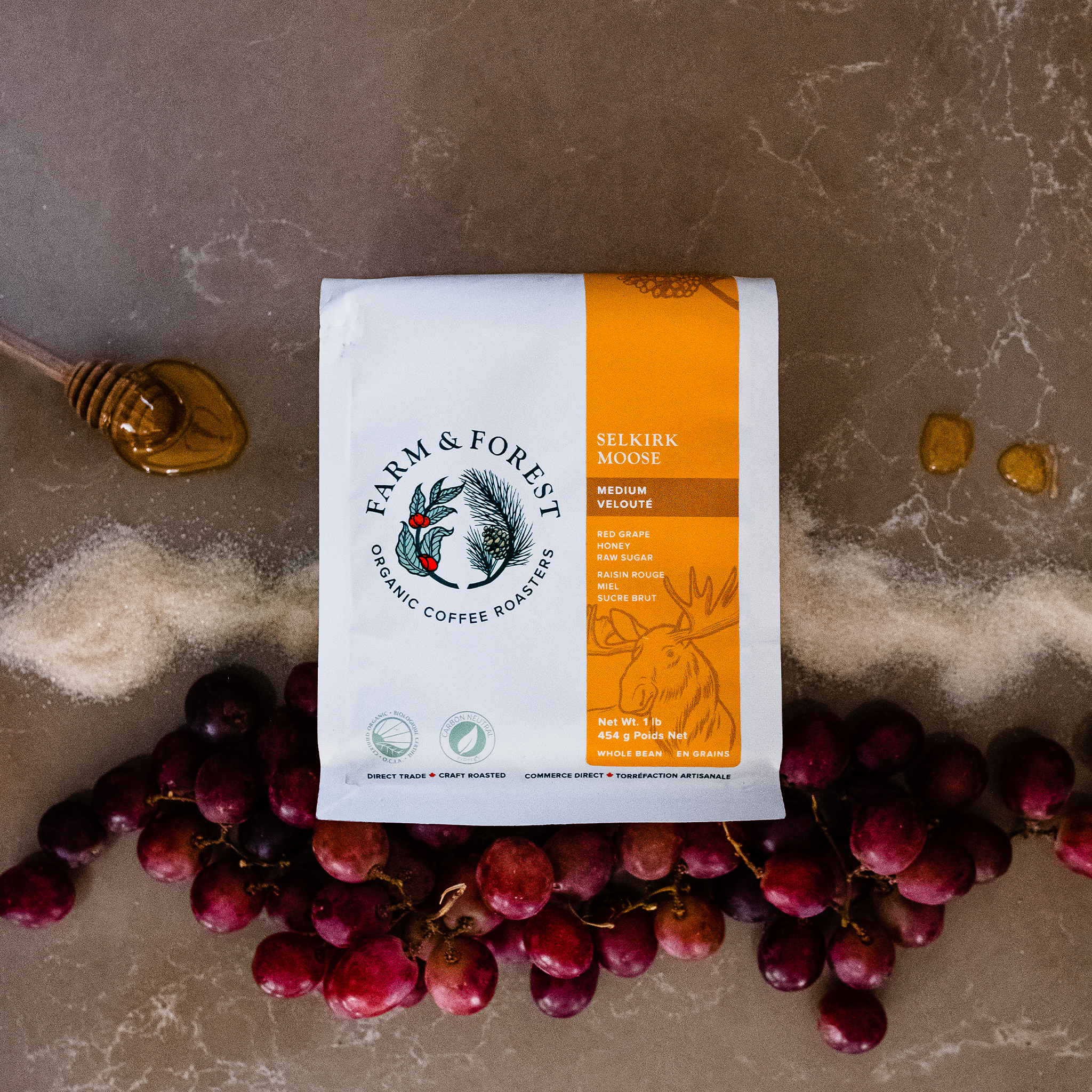
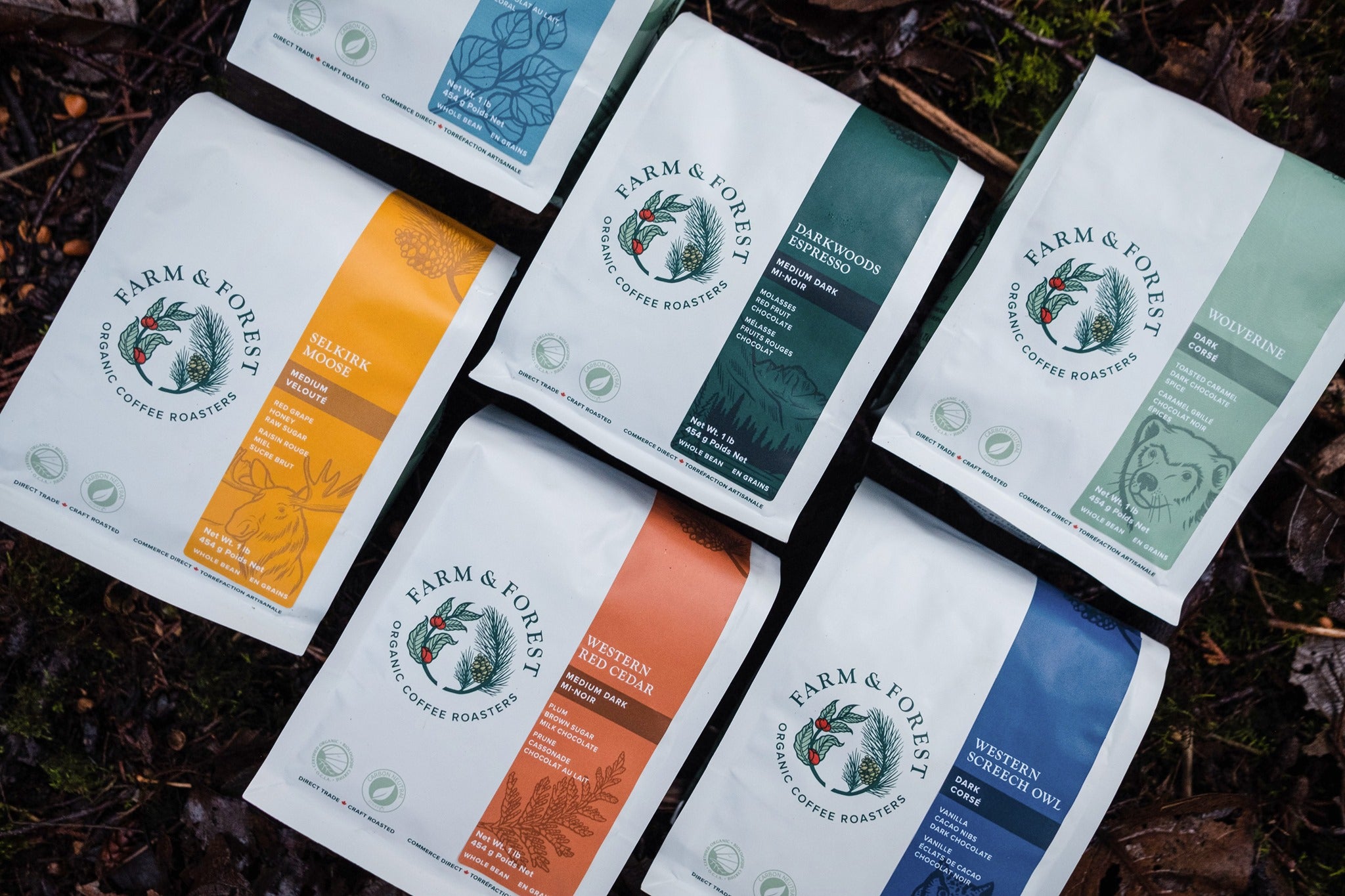
Ready to explore organic-certified coffee? Here is a sampler to explore four flavours with one order:
Sold out
Fair Trade Coffee: Supporting Farmer Equity
Fair Trade certification focuses on improving working conditions and ensuring fair compensation for farmers.
Key principles:
- Minimum guaranteed price for coffee
- Additional premiums for community development
- Standards for safe working conditions
Fair Trade aims to protect small-scale farmers from volatile market prices while investing in long-term community growth.
What to consider:
While Fair Trade is impactful, some critics argue that pricing structures can still be limiting. That’s where newer models like Direct Trade come in.
Direct Trade Coffee: Relationship-Driven Sourcing
Unlike traditional certifications, Direct Trade is not a regulated certification but a sourcing model used by many specialty coffee roasters.
Instead of going through intermediaries, roasters build direct relationships with producers.
Benefits of Direct Trade:
- Greater transparency in pricing
- Higher payments to farmers
- Stronger quality control
- Long-term partnerships
Because it’s not standardized, the quality of Direct Trade depends on the roaster’s practices. However, in specialty coffee, it’s often associated with higher-quality beans and ethical sourcing.
We source and roast our organic coffees with care, from the world’s finest growing regions to our carbon-neutral facility by the Pacific. By working directly with organic farms, we support fair pricing and long-term partnerships, bringing you Farm & Forest Coffee at its best.
Carbon Neutral Coffee: Reducing Environmental Impact
As sustainability becomes a bigger priority, carbon neutral coffee is gaining attention.
This certification indicates that the carbon emissions associated with producing, roasting, and distributing the coffee have been measured and offset.
How it works:
- Emissions are calculated across the supply chain
- Brands invest in environmental projects (like reforestation) to offset impact
Why it matters:
Coffee production and transportation contribute to global emissions. Carbon-neutral initiatives aim to reduce the industry’s footprint. For sustainability-conscious consumers, this label reflects a commitment to climate responsibility.
How Certifications Affect Coffee Flavour
A common question among enthusiasts is whether certifications impact taste.
The answer: indirectly, yes - but not always.
Certifications influence farming practices, which can affect bean quality. For example:
- Organic farming can improve soil health
- Direct Trade often results in higher-quality lots
- Sustainable practices can lead to better long-term crop consistency
However, flavour is still primarily shaped by origin, processing method, roast level, and brewing technique.
Are Certifications Always Necessary?
Not necessarily. Some of the highest-quality specialty coffees may carry some certifications, but maybe none at all. This can happen because:
- Certification costs are too high for small farms
- Producers follow ethical practices without formal labels
- Roasters prioritize direct relationships over third-party systems
In these cases, transparency from the roaster becomes key. Look for detailed sourcing information, farm names, and origin stories.
How to Choose the Right Certified Coffee
When selecting coffee, consider your priorities:
If you care most about environmental impact:
- Organic
- Carbon Neutral
If you prioritize ethical sourcing:
- Fair Trade
- Direct Trade
If you want the highest quality and traceability:
- Direct Trade
- Transparent sourcing (even without certification)
Ultimately, the “best” certification depends on what matters most to you as a coffee drinker.
The Future of Coffee Certifications
The specialty coffee industry is evolving. Consumers are asking deeper questions, and brands are responding with more transparency.
We’re seeing a shift toward:
- Hybrid models (Direct Trade + sustainability initiatives)
- Greater storytelling around producers
- More detailed sourcing transparency beyond logos
Certifications still play an important role, but they’re increasingly part of a bigger picture that includes traceability, quality, and community impact.
Final Thoughts
Coffee certifications offer valuable insight into how your coffee is produced, traded, and sourced. Whether you choose Organic for environmental reasons, Fair Trade for ethical sourcing, or Direct Trade for quality and transparency, each label tells part of a larger story.
For specialty coffee enthusiasts, understanding these certifications adds another layer of appreciation, connecting what’s in your cup to the people and processes behind it.
Frequently Asked Questions (FAQs)
What is the best coffee certification?
There’s no single “best” certification. It depends on your priorities. Organic for environmental impact, Fair Trade for ethics, and Direct Trade for quality and transparency.
Is organic coffee better than regular coffee?
Organic coffee is grown without synthetic chemicals, which benefits the environment, but it doesn’t automatically guarantee better flavour.
What does Direct Trade mean in coffee?
Direct Trade refers to roasters buying directly from producers, often resulting in better prices for farmers and higher-quality beans.
Is carbon-neutral coffee truly sustainable?
Carbon-neutral coffee offsets emissions, helping reduce environmental impact, but it’s just one part of a broader sustainability approach.
Do all specialty coffees have certifications?
No. Many specialty coffees rely on direct relationships and transparency instead of formal certifications.